


A Night of Extra Visitors and Extra Risk
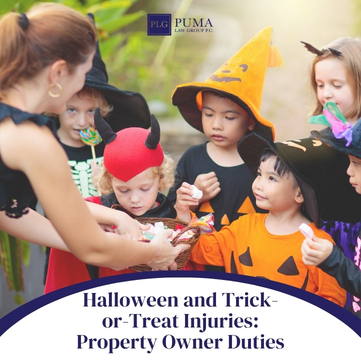
On Halloween, neighborhoods across Long Island fill with children walking up driveways, across lawns and onto front porches, usually after dark and often in costumes that make it hard to see. Most of those visits end with candy. Some end with a fall down dark steps, a trip over a decoration cord, a burn from a candle-lit display, or a dog bite at the front door.
When a child or parent is hurt on someone else’s property, families often wonder whether the homeowner is responsible. The answer depends on the condition that caused the injury and what the owner knew or should have known. Here is what property owners owe Halloween visitors, the hazards that cause the most problems, and what to do if your child is hurt.
What Property Owners Owe Trick-Or-Treaters
In New York, people who own or control property have a duty to keep it reasonably safe for people expected to come onto it. On Halloween, a homeowner who turns on the porch light, decorates the front steps, or hands out candy should expect children and parents to walk up to the door.
That does not make an owner responsible for every injury. A homeowner may be held responsible when:
- They created the dangerous condition, such as running an extension cord across the walkway or setting an open-flame candle where costumes brush past it.
- They knew about a hazard and did not fix it or warn visitors, such as a broken step or a loose railing.
- The hazard existed long enough that they should have discovered and corrected it with reasonable care.
The same idea applies to businesses and landlords. A store hosting a trunk-or-treat, a building with a Halloween event in its lobby, or a landlord responsible for common walkways must take reasonable steps to keep visitors safe.
Common Halloween Hazards on Porches, Walkways, and Yards
Many Halloween injuries come from ordinary property problems made worse by darkness, crowds, and costumes.
- Poor lighting. Dark walkways and steps make it hard to see uneven surfaces, especially for small children in masks.
- Broken or uneven steps and walkways. Cracked concrete, loose pavers, missing railings, and uneven stairs commonly cause falls.
- Decorations in the walking path. Extension cords, fog machine hoses, inflatables and their stakes and tie-downs, hay bales, and props can all become trip hazards.
- Open flames. Candles in jack-o’-lanterns and luminaries can ignite loose costumes.
- Wet or slippery surfaces. Rain, wet leaves, and fake cobwebs or fog residue can make porches and steps slick.
- Dogs. Excited or frightened dogs may bite or knock children down when a stream of strangers comes to the door.
- “Haunted” yard displays. Homemade scare zones with uneven ground, low lighting, or moving props can lead to falls and collisions.
When a Property Owner May Not Be Responsible
Not every Halloween accident leads to a valid claim. A homeowner may not be responsible when:
- The hazard was open and obvious, and the visitor could reasonably have avoided it.
- The owner had no reasonable way to know about the condition.
- The injury happened somewhere visitors were not expected to go, such as a closed backyard or garage.
- The fall was caused by something unrelated to the property, such as a costume that tripped the child on a safe, well-lit step.
Fault can also be shared. New York follows a comparative negligence rule, so if more than one person contributed to an accident, an injured person can still recover damages, reduced by their share of the blame.
Injuries to Children
Young children cannot be expected to spot and avoid dangers the way adults can. Property owners who invite children onto their property, as many do on Halloween, should keep that in mind. Different rules can also apply to the time limits for children’s injury claims, so it is worth speaking with a lawyer rather than assuming a deadline.
Dog bites follow their own rules in New York and depend heavily on what the owner knew about the dog. If your child was bitten while trick-or-treating, read our dog bite page and talk to a lawyer about the facts.
Halloween Safety Tips for Homeowners
A few simple steps can prevent most porch and walkway injuries:
- Light the full path from the sidewalk to the door, including steps.
- Repair loose railings, broken steps, and uneven pavers before October 31
- Keep cords, hoses, stakes, and props off the walking path, or tape and cover cords securely.
- Use battery-powered candles instead of open flames.
- Clear wet leaves and keep steps dry.
- Keep pets in a separate room or crated while trick-or-treaters are visiting.
- If your property isn’t ready, leave the porch light off or set candy out at the end of the driveway.
- Check that your homeowner’s or renter’s insurance is up to date.
What to do if Your Child is Hurt While Trick-Or-Treating
- Get medical care first. Call 911 for serious injuries. Even minor injuries, such as a bump to the head, should be checked by a doctor.
- Photograph the scene that night, before you take down decorations or make repairs: the steps, lighting, cords, props, or anything else that caused the fall.
- Get the address and the owner’s name, and the names and phone numbers of any witnesses, including other parents.
- Keep the costume and shoes your child was wearing.
- Write down what happened while it is fresh: the time, how dark it was, and exactly where the injury occurred.
- Be careful with insurance calls. Do not give a recorded statement to the property owner’s insurance company before speaking with a lawyer.
- Talk to a personal injury lawyer about whether you have a claim.
Frequently Asked Questions
Will a lawsuit hurt my neighbor? Many claims against homeowners are handled through the owner’s homeowner’s or renter’s insurance policy, not paid out of the neighbor’s own pocket.
My child tripped over a Halloween decoration. Is the homeowner responsible? Possibly, if the decoration created a hazard in the path visitors were expected to use, and the owner placed it there or knew about it. The specific facts matter.
What if the injury happened at a store or community Halloween event? Businesses and event hosts also have a duty to keep visitors reasonably safe. The same questions apply: what caused the injury, and what did they know or should they have known?
Was Your Child Hurt on Someone Else’s Property? Talk to Puma Law Group
At Puma Law Group, P.C., you speak directly with a lawyer about your case. Your case evaluation is free, and you pay no fee unless we win.
Call 631-6INJURY or (631) 320-5556, or contact us online. Our office is at 490 Rosevale, Ronkonkoma, New York 11779, and we serve injured people across Long Island and New York City.
Attorney Advertising. Prior results do not guarantee a similar outcome. This article is for general educational purposes only and is not legal advice. Reading it does not create an attorney-client relationship.
Categories